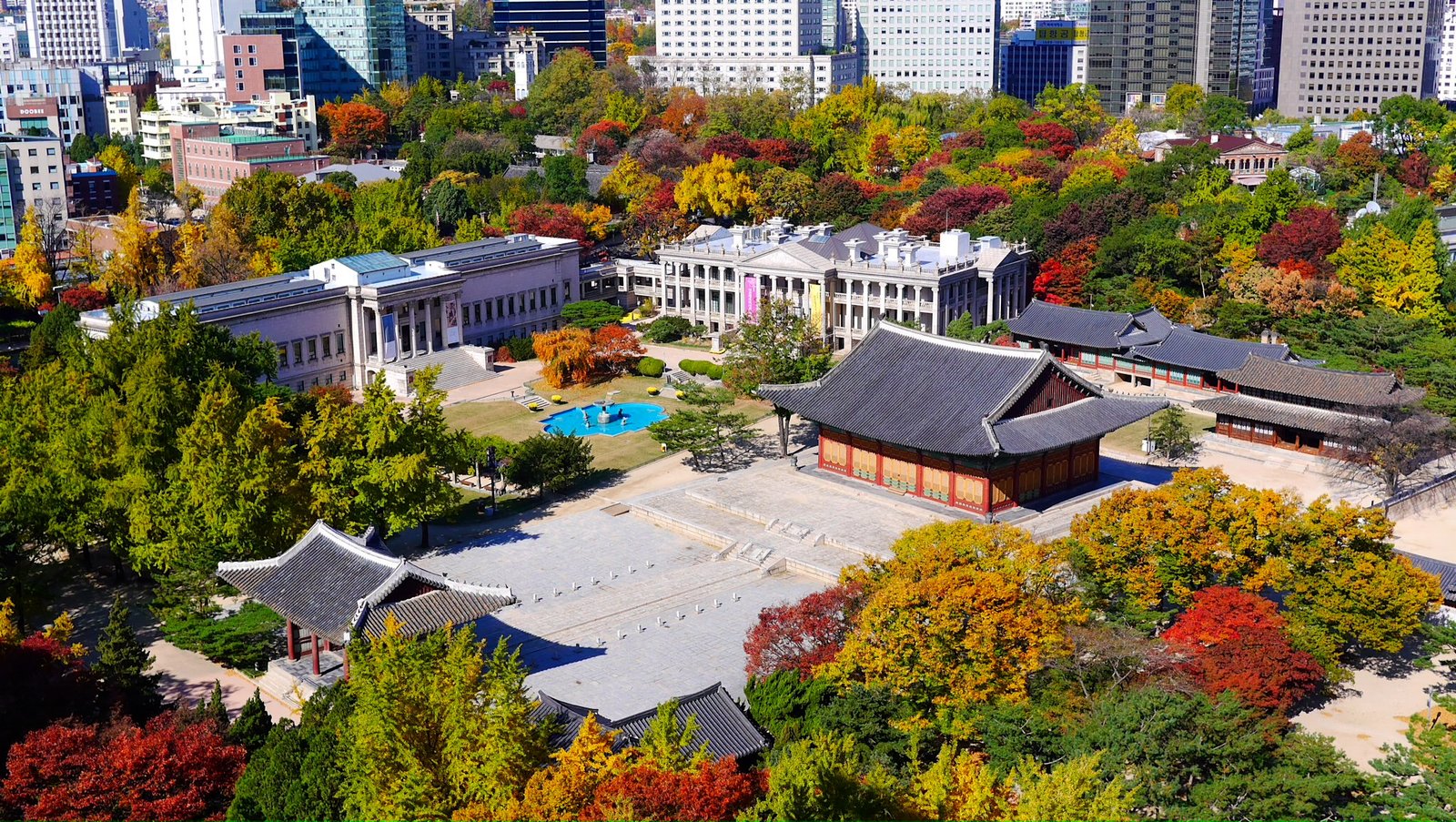
Short answer: as of October 29, 2026, Korea fall foliage is peaking in and around Seoul. The Korea Forest Service forecasts the national peak for ginkgo on October 30 and for maples and oaks on October 31, so this weekend is a good time for Seoul’s palaces, Namsan, and day trips to Nami Island or Hwadam Forest. Over the next two weeks the color moves south. Naejangsan peaks in early November, with Jirisan and the rest of the south after it. Seoraksan, in the northeast, is already past its forecast peak.
Most English guides to Korea’s autumn leaves were written before the season started, and few say where their dates come from. Below, every date is tagged with its source, and each place comes with how to get there from Seoul, what it costs, and whether you need to book.
Last checked: 2026-10-29. Forecast dates are from the Korea Forest Service’s 2026 Fall Foliage Peak Prediction Map (released September 22, 2026), Weatheri’s 2026 foliage forecast (September 4, 2026) and the 2026 Autumn Leaves Map from the Korea Tourism Organization and Korea National Arboretum (October 8, 2026). Fees and hours are from each place’s official website. Rain or a cold snap can shift any of these by a few days.
Korea Fall Foliage 2026 Forecast: Where It Peaks and When
Korean sources don’t agree on what “peak” means. The Korea Forest Service calls it when about 50% of the forest has turned, while the Korea Meteorological Administration (KMA) waits for about 80%, so the two can put the same mountain’s peak several days apart.
| Place | Region | Expected peak (source) | Getting there from Seoul |
|---|---|---|---|
| Seoul palaces, Namsan, city streets | Seoul | Ginkgo Oct 30, maples and oaks Oct 31 (Korea Forest Service, nationwide by tree type) | Subway |
| Korea National Arboretum | Pocheon, Gyeonggi (capital area) | Maples Oct 29, ginkgo Oct 31, oaks Nov 2 (KTO / National Arboretum map) | Car or tour (north of Seoul) |
| Hwadam Forest | Gwangju, Gyeonggi | No site-specific forecast. Capital-area reference: Oct 29–Nov 2 (National Arboretum figures above) | Gyeonggang Line to Gonjiam Station, then taxi or bus |
| Nami Island | Chuncheon, Gangwon | No site-specific forecast. Nearby Gangwon Provincial Arboretum in Chuncheon: ginkgo Oct 27, maples Oct 28, oaks Oct 31 (KTO / National Arboretum map) | ITX-Cheongchun train to Gapyeong Station, then bus, taxi or a 20-minute walk to the ferry |
| Seoraksan | Gangwon (northeast) | Oct 20 (Korea Forest Service); Oct 25 (Weatheri) | Express bus to Sokcho, then local bus or taxi |
| Songnisan | Chungbuk | Oct 28 (Korea Forest Service) | Intercity bus; check routes on Naver Map |
| Naejangsan | Jeongeup, Jeonbuk | Nov 1 (Weatheri); Nov 4 (Korea Forest Service); around Nov 7–8 (Jeongeup City) | Train to Jeongeup, then city bus 171 or 171-1 |
| Jirisan and the south | Southern region | Nov 5–13 (Weatheri, regional range) | Long day; better as an overnight trip |
| Hallasan | Jeju | Nov 6 (Korea Forest Service) | Flight to Jeju |
As for what has actually been observed this season, the Korea Forest Service logged the first color of 2026 on September 14 at the Jeombongsan reserve in Inje, Gangwon. According to the KMA, as reported by Korea JoongAng Daily, Odaesan reached peak on October 14, and the first color showed up on Bukhansan, Seoul’s big mountain, the same day.
Where to See Autumn Leaves in Seoul Right Now
The timing also works in your favor this year: the four main palaces, Jongmyo Shrine and the Joseon royal tombs are free to enter from October 29 to November 15, 2026 for the Korea Grand Festival, according to the Royal Palaces and Tombs Center. Regular closing days still apply, and the free entry doesn’t cover the Changdeokgung Secret Garden special tour.
Deoksugung Palace and the stone-wall road
Deoksugung is a small palace across from Seoul City Hall, and its ginkgo and maple trees turn the whole compound red and yellow. The stone-wall road (Deoksugung-gil) along its outer wall is a popular autumn walk.
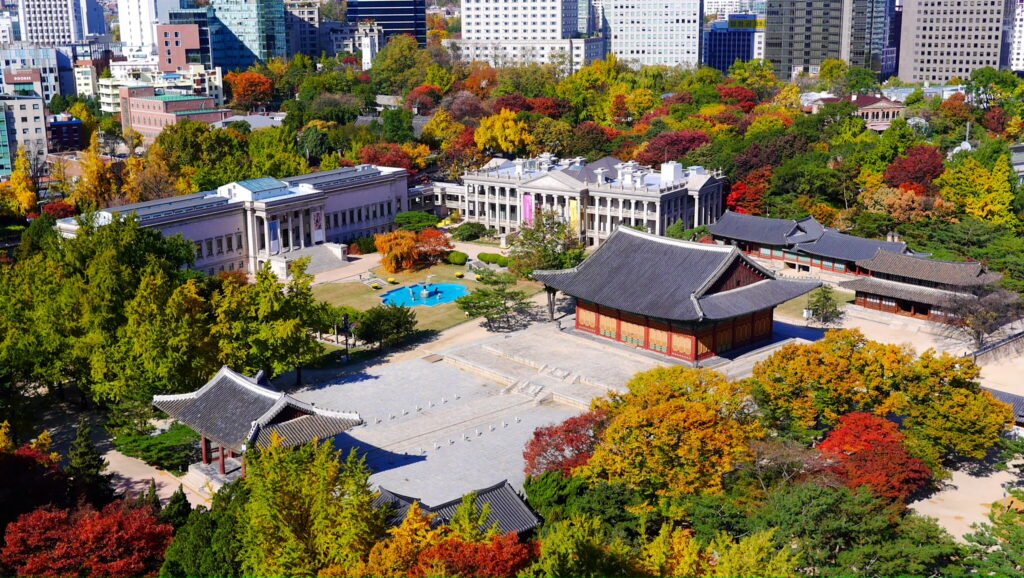
- Getting there: City Hall Station (Lines 1 and 2)
- Hours: 09:00–21:00 (last entry 20:00). Closed Mondays.
- Cost: Free until November 15. Normally ₩1,000 for foreign adults aged 19–64.
- Good to know: The palace has posted a notice about construction on its outer wall from September 21 to November 19, 2026. Parts of the stone-wall road may not look like the usual photos this year.
Gyeongbokgung and Changdeokgung
Gyeongbokgung is the biggest palace and draws the biggest crowds. Look for ginkgo trees leaning over the walls around the edges of the grounds. Changdeokgung is quieter. Its rear garden, Huwon (the Secret Garden), is a wooded valley of ponds and pavilions that you enter with a timed ticket, and autumn tickets go fast.
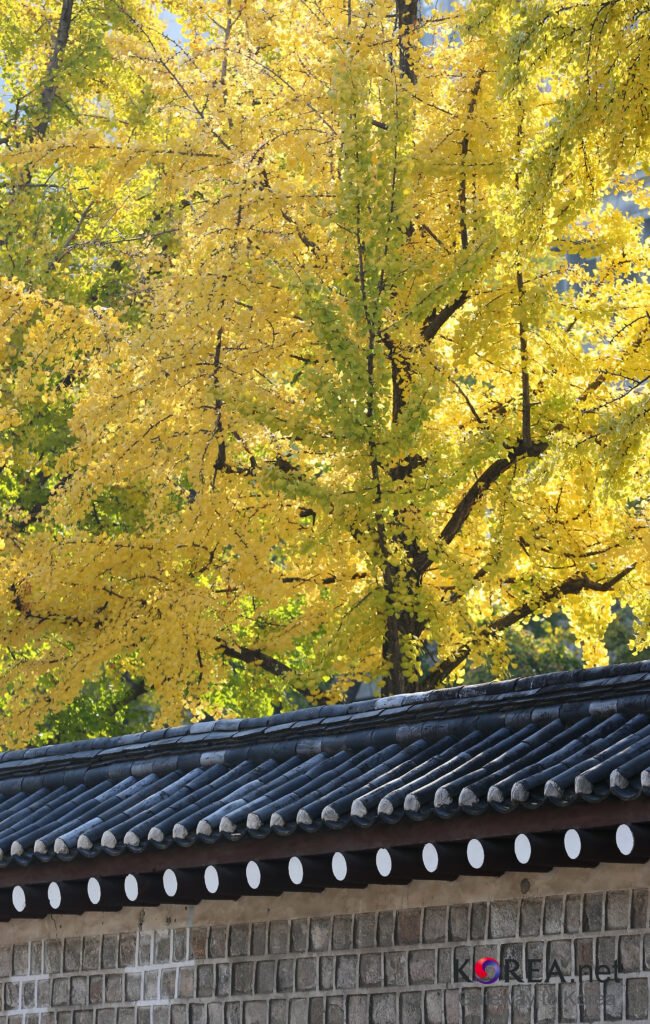
- Getting there: Gyeongbokgung Station (Line 3) for Gyeongbokgung; Anguk Station (Line 3) for Changdeokgung
- Secret Garden cost: Normally ₩5,000 for the garden plus ₩3,000 for the palace ticket (adults 19–64). The free-entry period doesn’t include the special garden tour.
- English tours of the Secret Garden: 10:30, 11:30, 14:30 and 15:30 (March–November), 100 people per tour: 50 tickets online, 50 on site
- Booking: Online from 10 a.m. six days before your visit until the day before, or on site from 9 a.m. on the day. The palace warns that October–November tickets sell out very fast.
- Closed: Changdeokgung closes on Mondays
Namsan
Namsan is the hill under N Seoul Tower, and its tree-lined walking roads are free. You can climb on foot from Myeongdong and eat there before or after.
Seoul Forest
Seoul Forest is a large, flat park by the Han River near Seongsu, good for an easy walk under the trees with no climbing. Get off at Seoul Forest Station on the Suin-Bundang Line.
Haneul Park
Haneul Park is about silver grass rather than red leaves. This year’s Seoul Silver Grass Festival ran October 17–23 and is over, but the park is still open. From World Cup Stadium Station or Mapo-gu Office Station (Line 6), it’s about a 40-minute walk, or you can take the small electric shuttle from the Nanjicheon Park parking lot.
Day Trips from Seoul for Fall Foliage
Nami Island
Nami Island is a small river island crossed by long avenues of trees, including rows of ginkgo and maple.
- Getting there: ITX-Cheongchun train from Yongsan (about 60 minutes) or Cheongnyangni (about 42 minutes) to Gapyeong Station. From the station it’s 1.5 km to the ferry wharf: about 20 minutes on foot, or 5 minutes by bus No. 10-4 or taxi.
- Cost: ₩19,000 for adults, including the round-trip ferry. Early-bird tickets, bought and boarded before 8:00, are ₩13,000.
- Ferry: The ferry ride takes about 5 minutes. In the autumn season (September 18–November 22), the first ferry leaves at 07:30 every day, and the last ferry runs until 21:30 on Fridays, weekends and holidays.
- Tip: Catch an early ferry before 8:00 and you pay the early-bird price and get a head start on the day.
Hwadam Forest (Hwadam Botanic Garden)
Hwadam Forest is a landscaped forest garden southeast of Seoul, with maple valleys and wooden walking decks. Unlike everywhere else in this guide, you can’t just turn up.
- Booking: Entry is by advance reservation only, through the NOL (Nol Universe) app or website, and you need a NOL account. Kiosk tickets on site are sold only if any are left.
- Hours: October 23–November 1: daily 08:00–18:00 (last entry 17:00). November 2–15: daily 08:00–17:00 (last entry 16:00).
- Cost: ₩11,000 for adults (19–64). The monorail costs extra: ₩5,000, ₩7,000 or ₩9,000 for adults, depending on the section.
- Getting there: Gyeonggang Line to Gonjiam Station, then a taxi or Gwangju bus 9 (about 30 minutes). Express buses 1113-1 and 500-2 from Gangbyeon Station, or 500-1 from Jamsil Station, go to Gonjiam Terminal.
Seoraksan National Park
Seoraksan is the first big mountain to turn every year, and in 2026 both forecasts put its peak in the past (October 20 per the Korea Forest Service, October 25 per Weatheri). The high ridges will be past their best by now. If you’re already heading to the east coast, check current photos before you commit to the trip.
- Getting there: Express bus from Seoul to Sokcho, then a local bus or taxi to the park
- Cost: No entrance fee. The Seorak cable car costs ₩16,000 round trip for adults (middle-school age and up), sold on site only, on the day, with no reservations and no one-way tickets.
Naejangsan National Park
If you have time for one more trip this season, make it Naejangsan. It’s known for its maple tunnels and a pavilion on a pond, and its peak is still ahead: November 1 per Weatheri, November 4 per the Korea Forest Service, and around November 7–8 per Jeongeup City, which expected the color to start around October 29.
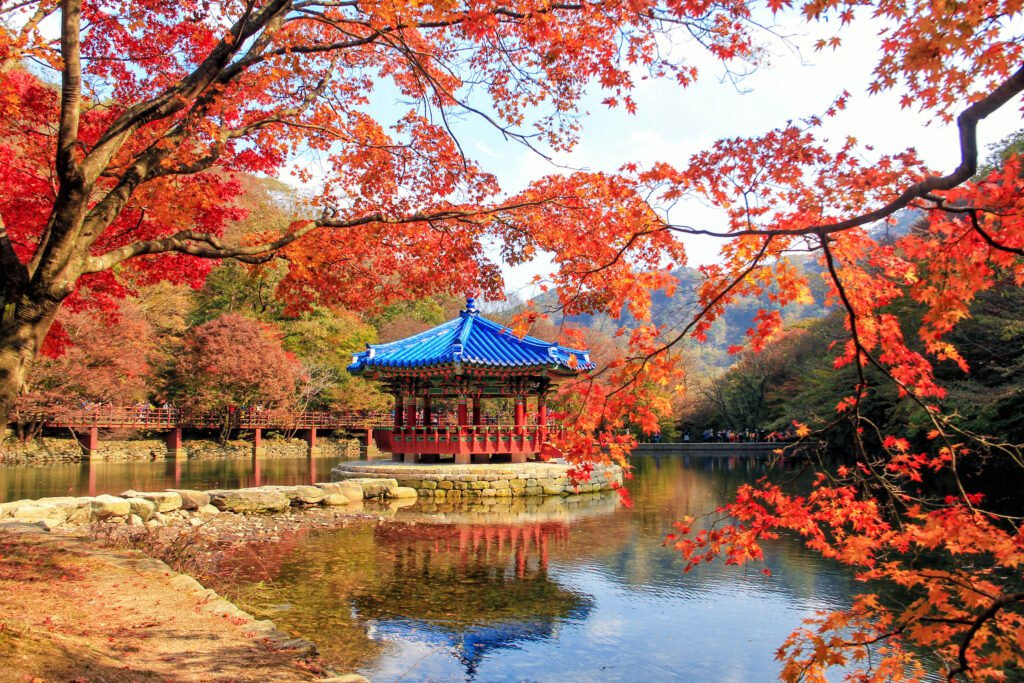
- Getting there: Train from Yongsan to Jeongeup Station, then city bus 171 or 171-1 from Jeongeup Terminal to Naejang Terminal, near the park entrance
- Free shuttle: October 30–November 15, between Naejangho parking lot (formerly Lot 4) and Wollyeonggyo Bridge (2.1 km). Weekdays 09:00–17:00, weekends 08:00–17:00.
- Crowds: Jeongeup City has a crowd and traffic plan in place from October 26 to November 22, with its busiest period set for October 31–November 15. Expect heavy weekend traffic.
Tips for Seeing Fall Foliage in Korea
- Go on a weekday, and go early. Nami Island, Hwadam Forest and Naejangsan get packed on peak weekends. A weekday morning is much calmer.
- Book what needs booking now. Hwadam Forest and the Secret Garden tours both sell out in autumn. You can walk into everything else on this list.
- Check the weather the day before. Heavy rain or strong wind can strip trees in a day. Before the October 18 storm, the KMA even warned that fallen leaves could clog storm drains.
- Dress in layers. Late-autumn mornings are cold, and mountain trails get colder and windier as you climb. Wear proper shoes for national parks. A light jacket you can take off is enough for city walks.
- Use Naver Map for transit. It’s more accurate than Google Maps for buses in Korea, including the local buses to Nami Island, Hwadam Forest and Naejangsan.
Korea Fall Foliage FAQ
When is peak fall foliage in Korea in 2026?
It depends on where you are. The Korea Forest Service forecast Seoraksan for October 20, Songnisan for October 28, Naejangsan for November 4 and Hallasan for November 6. Nationwide, it expected ginkgo to peak on October 30 and maples and oaks on October 31.
Where can I see autumn leaves in Seoul?
The palaces (Deoksugung, Gyeongbokgung and Changdeokgung’s Secret Garden), Namsan and Seoul Forest are the easiest. All four main palaces are free to enter from October 29 to November 15, 2026.
Is it too late for fall foliage in Korea in November?
No. Naejangsan’s forecast peak falls in the first week of November, Weatheri expects Jirisan and the south to peak November 5–13, and Hallasan on Jeju is forecast for November 6. The northern mountains, like Seoraksan, will be past their best by then.
Do I need to book anything in advance?
Yes, for Hwadam Forest, which takes advance reservations only through NOL, and for the Changdeokgung Secret Garden tour. Nami Island, the other palaces and the national parks don’t need a booking.
Leave a Reply